Curly hair in Lancaster gets misjudged by the same mistake, repeated for years: it gets cut, measured, and styled as if it were straight hair that misbehaves. It is not. Curls shrink as they dry, hide their true length when wet, and grow outward before they grow downward. A cut or routine that ignores those three facts will fight the wearer daily.
The checklist below is the curly version of the usual rules, from booking the cut to the washing routine at home. Each item exists because the straight-hair default fails at that exact point.
Shrinkage: the fact that explains everything else
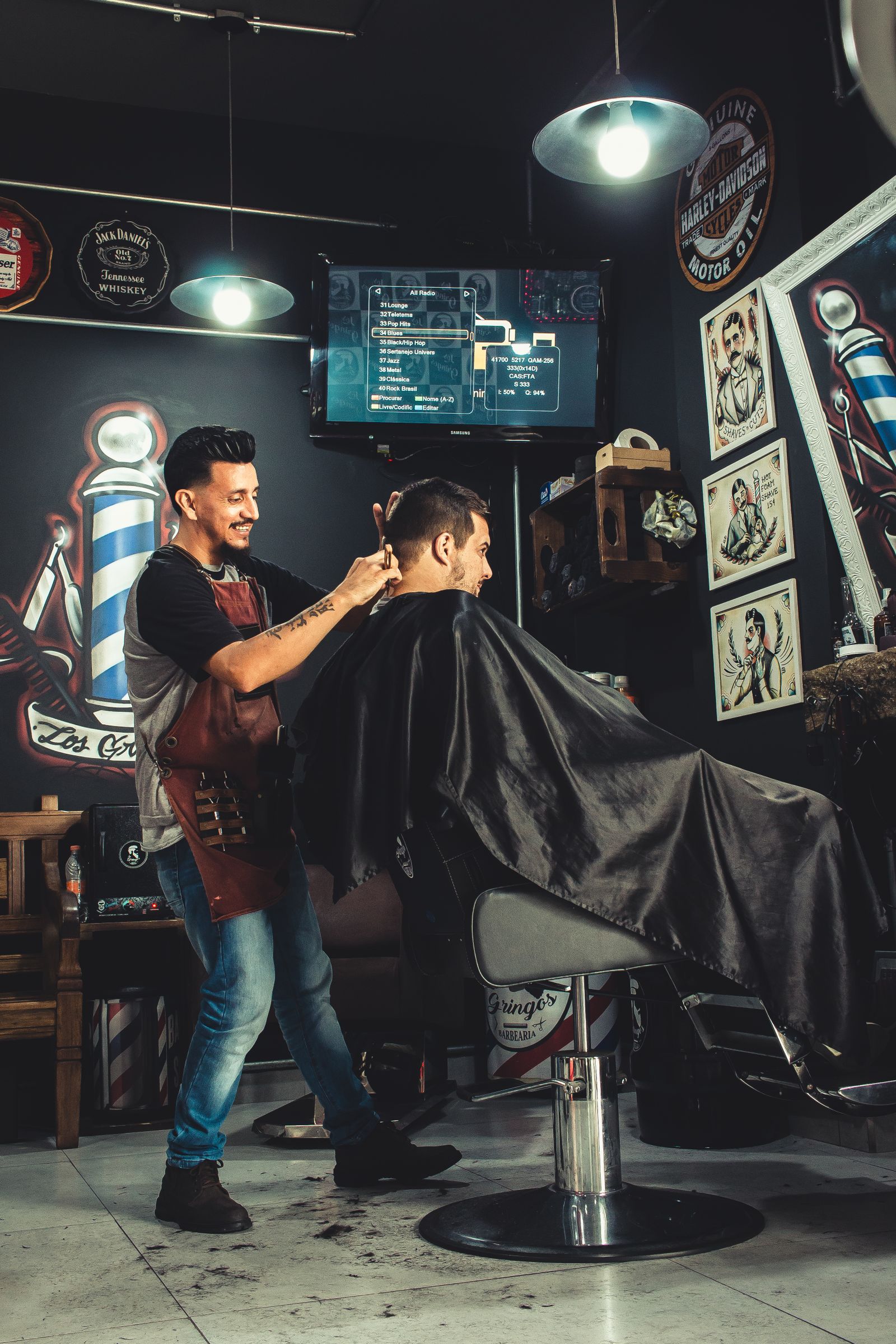
Wet curls stretch out under their own weight and the weight of water. Dry, they spring back, sometimes by several inches on tight curl patterns. That difference is shrinkage, and it is why a curly cut that looked perfect in the chair, soaking wet, can look startlingly short by dinner. It is also why curly hair is often cut dry, or mostly dry, by barbers who work with it regularly: dry cutting shows the true length, the true curl pattern, and where each section actually lives. If your barber suggests cutting your curls dry, that is experience talking, not a shortcut.
The curly checklist
Cut and care, curly edition
- Book for a dry cut if your curls are tight: Pass if the barber wants to see your hair dry and natural first. Worry if the plan is to soak it, pull it straight, and cut to a measured length.
- Judge length dry, always: Pass if the finished length looks right in the mirror once dry. A cut judged wet will be shorter than you agreed, sometimes much shorter.
- Keep scissors primary on top: Scissors follow individual curl clumps. Clippers with a guard can work on the sides, but a clippered top often grows out puffy and uneven between curl sections.
- Wash less, condition more: Curls are naturally drier because scalp oil travels slowly down a spiral. Washing two or three times a week and conditioning every wash suits most curly hair.
- Hands off while it dries: Touching, toweling roughly, or combing dry curls breaks up the clumps and creates frizz. Scrunch gently with a soft towel or an old t-shirt, then leave it alone.
- Cut less often, but do not skip: Curly styles usually go eight to twelve weeks between cuts, since length changes show slowly. Split ends still happen on schedule, and waiting six months costs more length at once.
Moisture, frizz, and a Lancaster summer
Frizz is mostly thirst plus friction. Dry curls reach for moisture from humid air, swell unevenly, and lose their shape, which is why a Piedmont summer turns a good morning cut into an afternoon halo. A leave-in conditioner or a small amount of curl cream applied to wet hair, before it dries, gives curls the moisture they would otherwise pull from the air, and they dry in their clumps instead of in a cloud. Pillow friction is the quieter enemy. Hair sliding on cotton all night dries and separates, which is why second-day curls look tired even when nothing else changed.
Talking to your barber about curls
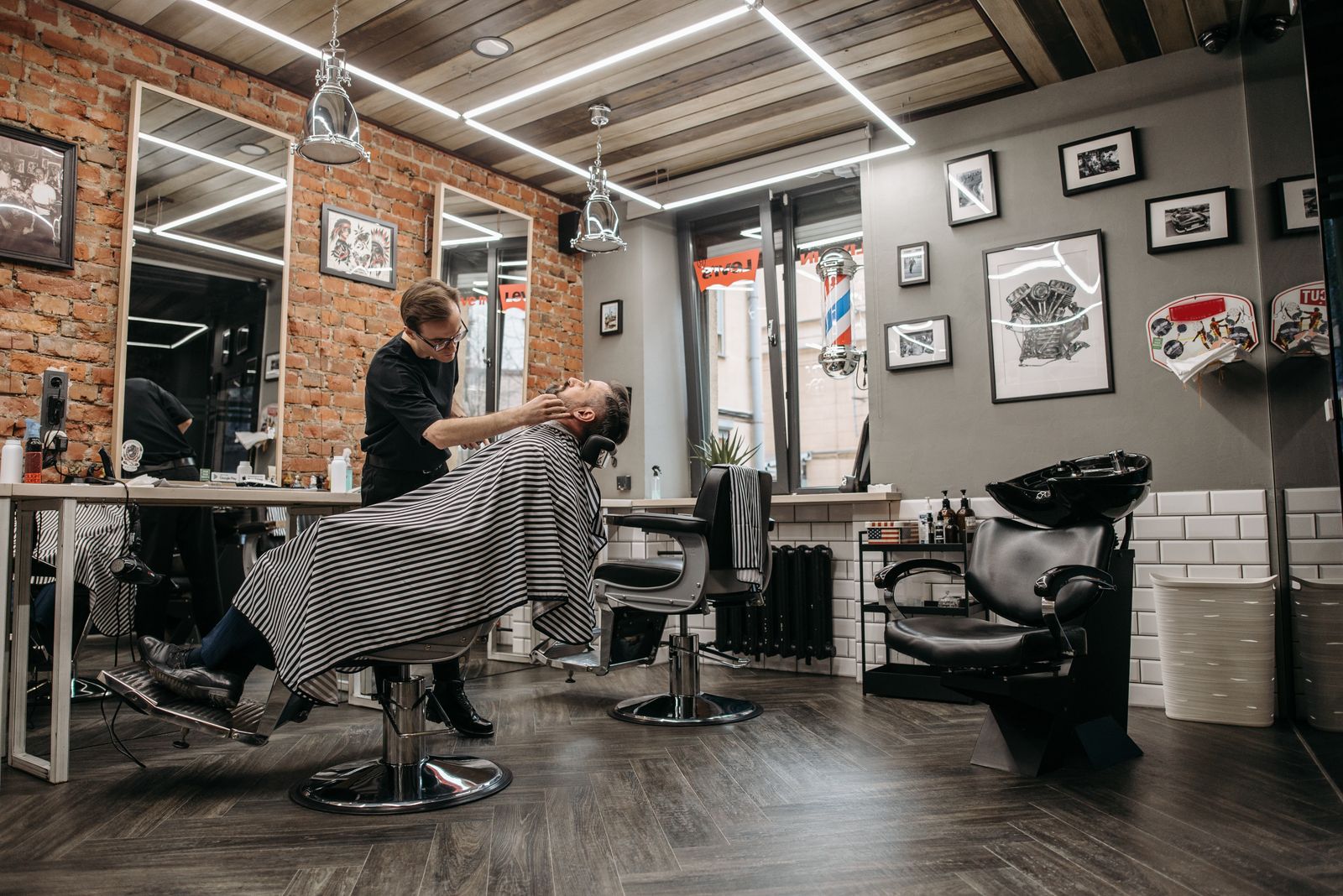
Show a photo of your own hair on a good day if you have one, since your curl pattern after a wash is the most honest reference there is. Use the words you actually mean: shorter often means something different on curly hair, so point to where you want the hair to end when dry. At Cutting Edge Barbershop & Beauty Salon, saying up front that your hair is curly and shrinks gets the right plan in place, and asking how many weeks the cut is built for tells you whether the plan matches your habits.
Products: less than the shelf suggests
Curly hair rarely needs a lineup of products. One gentle cleanser, a real conditioner, and a single leave-in or cream cover most heads. Apply styling product to wet hair, in a modest amount, and resist adding more dry, which is when curls get crunchy and separated. If a product leaves your hair feeling coated by day two, use less of it rather than washing harder to remove it.
Common questions
Why does my curly hair look shorter after it dries?
Shrinkage. Curls stretch when wet and spring back as they dry, losing visible length. Cutting dry, or judging the result dry, prevents the surprise.
Should curly hair be cut with clippers or scissors?
Scissors on top suit most curls because they follow natural clumps. Clippers are fine for short sides and fades designed for curly hair. A fully clippered curly top often grows out unevenly.
How do I stop the frizz in summer humidity?
Moisturize before the air does it for you. Leave-in conditioner or curl cream on wet hair, gentle drying, and then hands off while it sets handles most of it.
Photos in this guide are representative stock images.
← All guides from Cutting Edge Barbershop & Beauty Salon← Back to Cutting Edge Barbershop & Beauty Salon