A haircut should not be an endurance event, but for many older customers in Lancaster it quietly becomes one: thin, sensitive skin at the neckline, a long sit in a firm chair, clippers loud enough to bury conversation, and a style chosen decades ago that no longer suits the hair wearing it. Most of that is fixable with a few plain requests, made at the right moment.
Consider this a how-to for the customer side of the chair: what to say, when to say it, and what to do at home so the cut stays easy between visits.
Before the appointment: set it up right
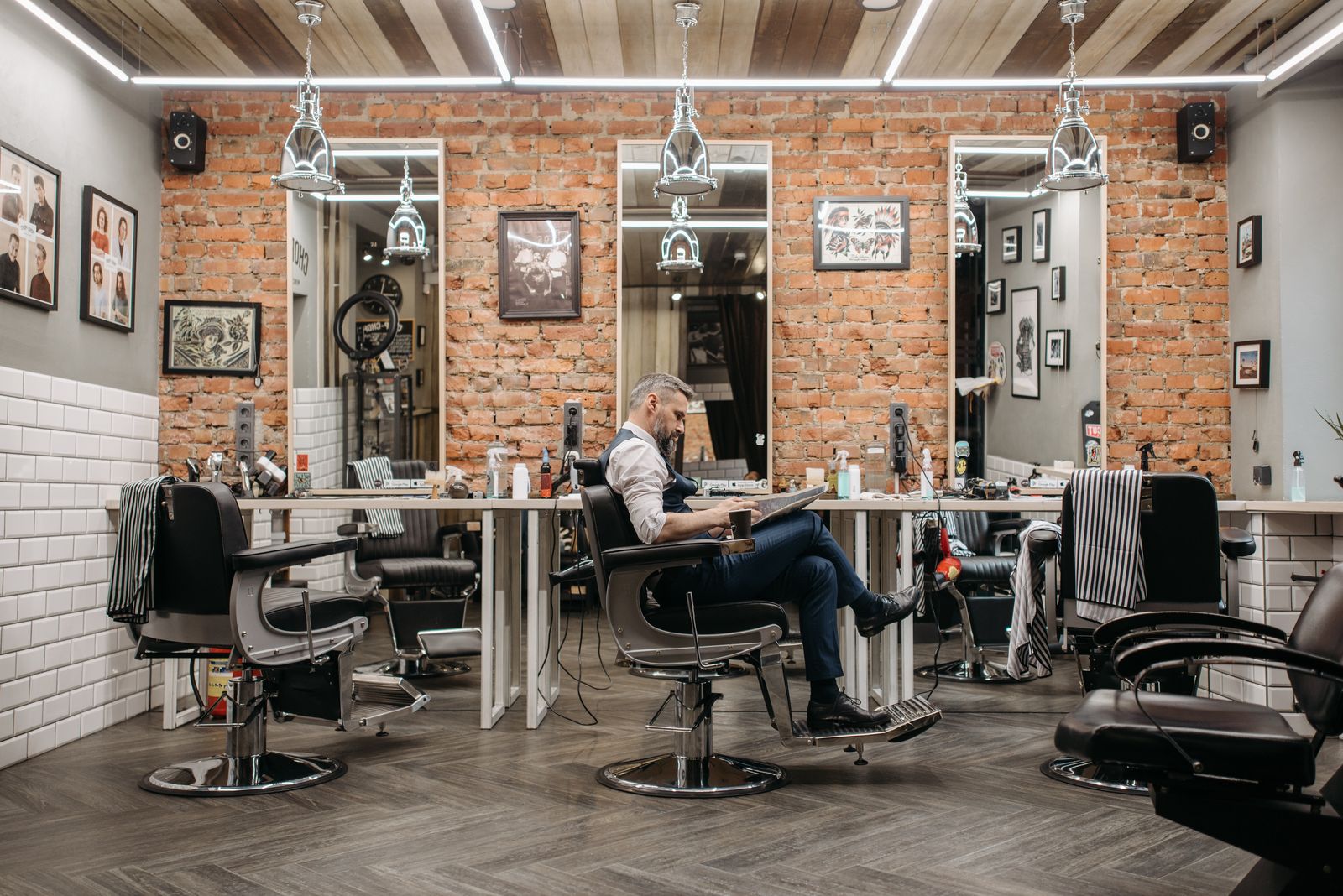
When you book, mention anything that affects the visit: trouble with steps or standing, a walker or wheelchair, hearing that struggles over clipper noise, or skin that reacts easily. Shops, including Cutting Edge Barbershop & Beauty Salon which serves customers of all ages, can often suggest a quieter time of day, have the right chair ready, and allow a little extra time, but only when they know in advance. Bring a short list of medications only if asked about scalp or skin issues; some common medications make skin more sensitive or hair thinner, and that context helps a barber handle both gently.
In the chair: the requests that matter, in order
- Agree on the whole cut before anything starts. With clippers off and the barber facing you, confirm length, style, and how the neckline will be finished. Decisions made now prevent misunderstandings over noise later.
- Ask for a light touch at the neckline. Thinner skin reddens and nicks more easily. Fewer trimmer passes, no pressed razor finish, or a softer neckline are all standard adjustments.
- Say if you need a pause. A classic cut can be done in stages. A good barber would rather stop for a minute than have a customer sit in discomfort in silence.
- Ask about anything on your scalp. If the barber mentions a spot, a sore that is not healing, or a changing mole, note it and follow up with a doctor. Scalps are hard to inspect on yourself, and barbers see them clearly.
- Before you leave, ask the two upkeep questions: how to comb it in the morning, and how many weeks it is meant to last. Write the answers down if memory for details is a concern. Nobody minds.
At home: keeping it simple
Older hair is usually drier hair, because oil glands slow down along with everything else. Washing two or three times a week with a gentle shampoo suits most men and women better than a daily scrub, and a small amount of conditioner keeps wiry gray hair lying down instead of standing out at angles. Gray and white hair can also pick up a yellow tinge from sun, smoke, and minerals in water. Barbers see it often and can suggest a clarifying rinse if it bothers you.
Sun deserves its own sentence. A scalp that has thinned has lost its shade. Lancaster summers are strong, and a hat outdoors is simple protection for skin that burns faster than it used to. If you notice new flaking, itching, or sore patches that do not settle in a couple of weeks, that is a doctor visit, not a different shampoo.
Styles that ask little of you
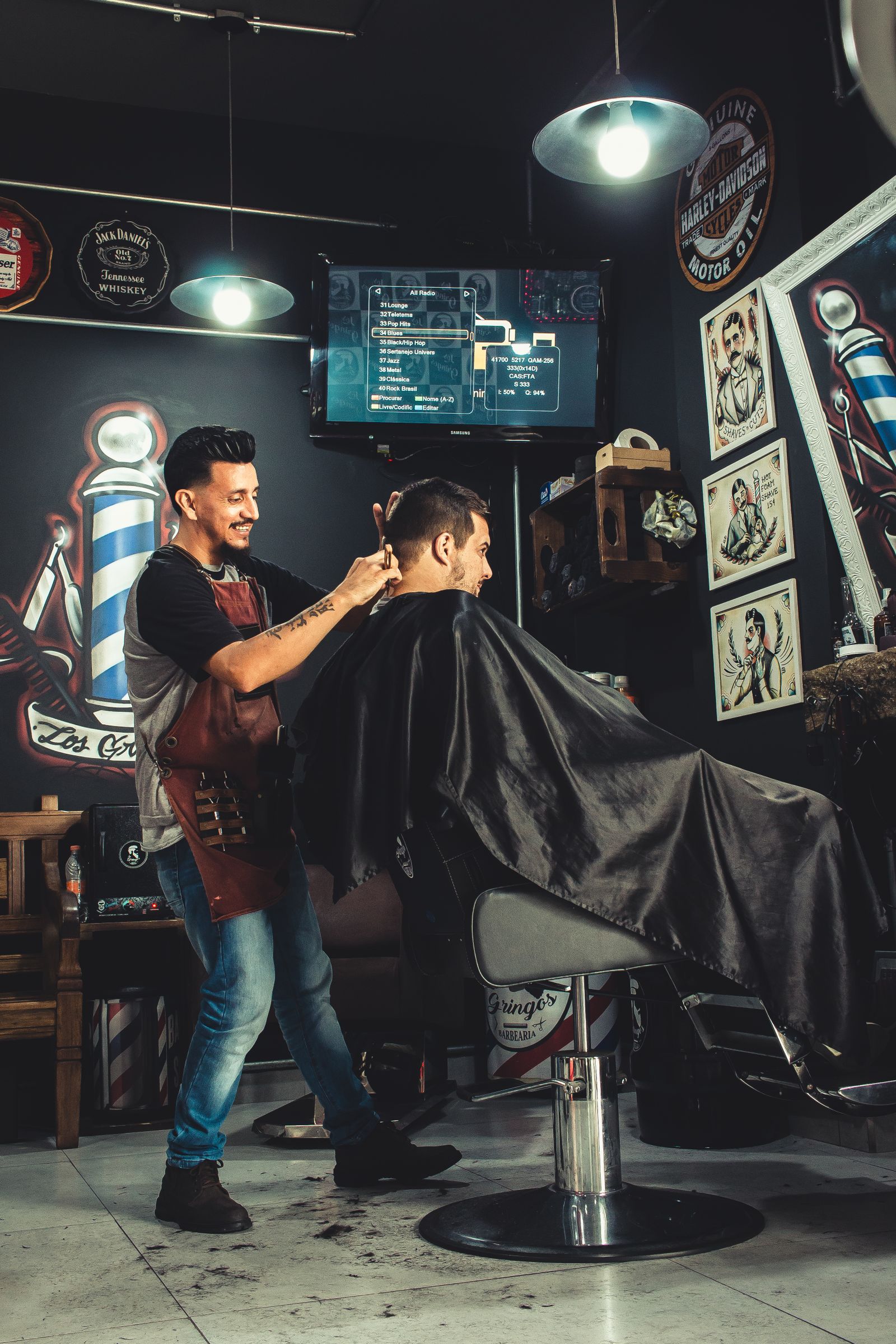
The kindest styles later in life share three traits: soft edges that grow out gracefully, no dependence on daily product, and honesty about thinning. Classic tapers for men and neat, layered cuts for women both qualify, and both can be adjusted for thinner areas by leaving strategic length where coverage is needed and taking it where fullness makes thin spots look thinner by contrast. Bring an old photo if you like how you looked, but expect a barber to adapt it to today's hair rather than copy it exactly. That adaptation is the skill you are paying for.
Common questions
How do I ask for a gentler neckline without making a fuss?
Just say your skin is sensitive and ask the barber to go easy and skip the razor finish if one is planned. It is one of the most common requests barbers hear.
How often should seniors plan on a cut?
Every four to six weeks for most classic styles. If getting to the shop is difficult, say so; the barber can choose a style built to stretch longer.
Is it normal for the scalp to show more than it used to?
Yes, hair commonly thins and lightens with age. A cut can reduce the contrast that makes thinning obvious, and a hat handles the sun exposure that comes with it.
Photos in this guide are representative stock images.
← All guides from Cutting Edge Barbershop & Beauty Salon← Back to Cutting Edge Barbershop & Beauty Salon